
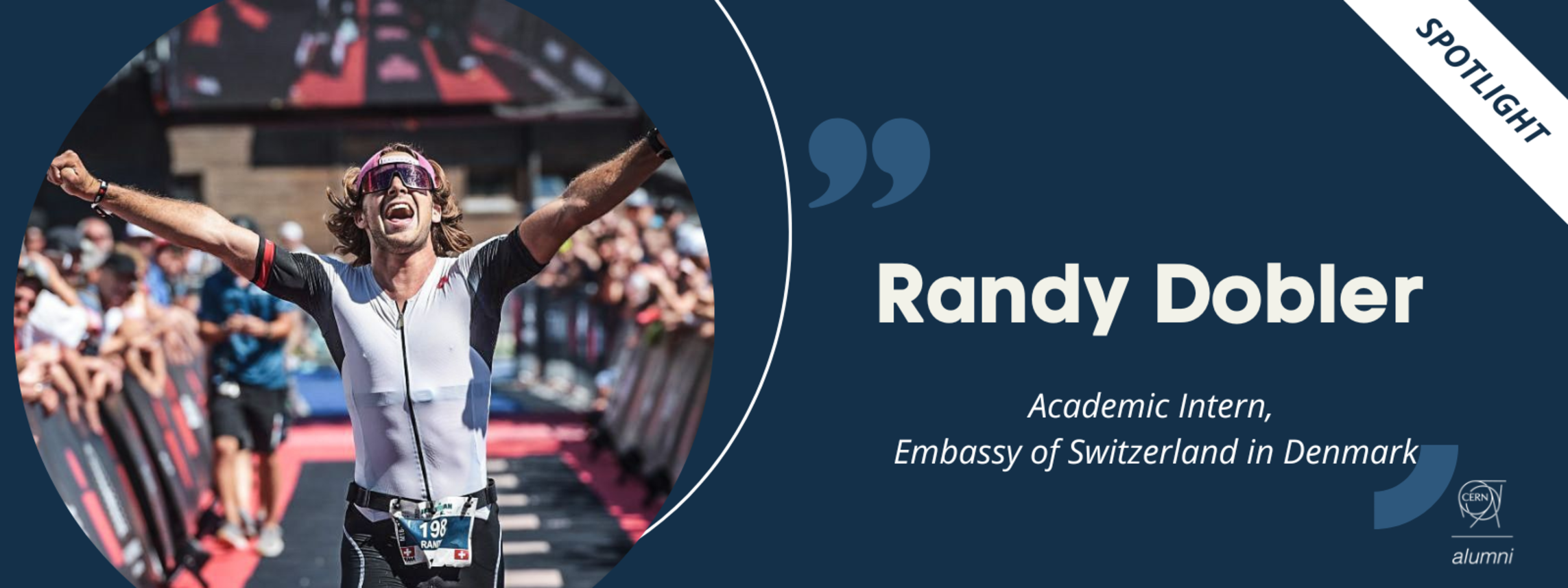
Randy Dobler: Built for the long run
CERN Alumni: Randy Dobler
At CERN: USER, June - August 2022
Now: Academic Intern at the Embassy of Switzerland in Denmark
Careers connected to CERN rarely follow a straight line. For Randy Dobler, the path into physics , and eventually to CERN, began not with a long-term plan, but with instinct, coincidence and a willingness to explore. What followed is a multifaceted life combining physics, international relations, elite endurance sport and, today, science-informed diplomacy.
Finding physics — and finding CERN
Randy’s academic journey began at the University of Geneva, where he enrolled in a bachelor’s degree in physics. At the time, the choice itself was anything but obvious.
“When I initially decided that I wanted to study physics, it was more out of a gut feeling. I was studying international relations at the same time, and felt something was missing. I was looking for the precision of a natural science.
I was deciding between physics and chemistry, and chemistry involved a lot of lab work. Because I was studying two degrees at the same time, that wasn’t really possible, so I chose physics. It turned out to be a lucky choice: the more I studied it, the more interesting and fascinating it became — I’m really glad I chose physics.”
CERN entered the picture through a chance memory and a single email. While studying at the University of Geneva, Randy had taken a course taught by Dr Mercedes Panizzia.
Later, during an Erasmus stay in Réunion, he found himself wondering what to do over the summer.
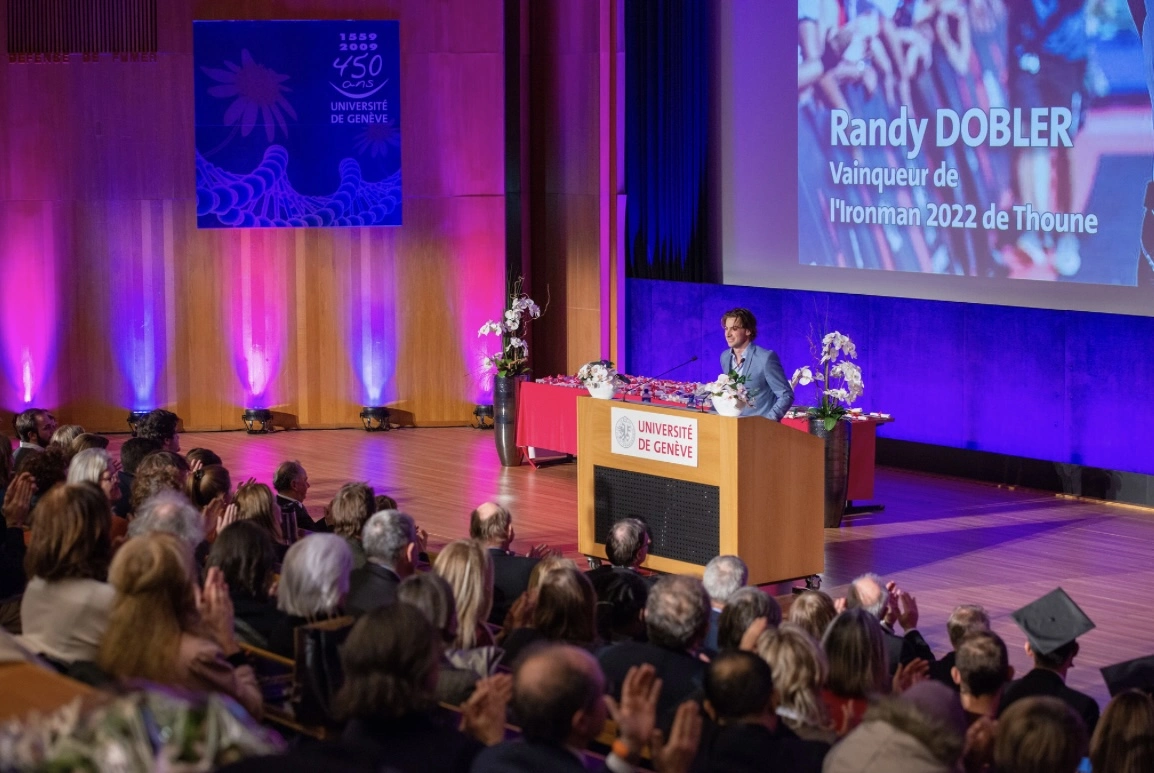
“I thought, what am I going to do during the summer? And I remembered that MATLAB course. I wrote her an email asking if she needed someone in her team, and she wrote back ‘yes’. And that’s how I ended up at CERN.”
Discovering the scale of CERN
Arriving at CERN prompted Randy to reassess many of his assumptions about the true nature of the Organization.
“I thought I had an idea about CERN, but it turned out I had no idea!
In my head, it was just the Science Gateway, the Globe, and that area. And then I discovered that there is a whole other part to it — and it’s huge. Geographically, but also in terms of the subjects that are worked on.”
What struck him most was the breadth of activity beyond particle physics alone.
“I didn’t realise that there are so many different types of experiments, some of which are not linked to the Large Hadron Collider. The IT department alone is huge. Every day I discovered something new — even internal things, like the fact that there’s a bank on site.”
That sense of scale stayed with him, shaping how he thinks about large scientific institutions to this day.
Research for the sake of knowledge?
At CERN, Randy worked on the AMS-02 collaboration, analysing cosmic rays measured aboard the International Space Station.
“I worked on AMS-02, measuring cosmic rays on the ISS. They collected the flux of magnesium nuclei, and my job was to analyse an additional one-and-a-half years of data on top of the ten years they had already taken. It was very niche.”
Beyond the technical work, what left the strongest impression was the motivation behind fundamental research.
“I was really fascinated by the motivation. Before, I often thought research was about improving something very concrete or achieving a specific result.
At CERN, I realised that you can have an intrinsic motivation — just to advance knowledge. The main motivation is simply to know more, so that humanity knows more, without a concrete end goal. I thought that was really beautiful.”
Bridging science and diplomacy
Alongside physics, Randy continued to explore international relations, eventually discovering a field that brought both interests together.
“Towards the end of my two bachelor’s degrees, I discovered the field of science diplomacy. I really love that idea — bridging the policy-making and diplomacy side with the science side. It became a real passion of mine, even though I didn’t have that in mind from the beginning.”
He went on to complete a master’s degree in physics at ETH Zurich, while keeping one foot firmly planted in the world of international affairs. This dual perspective later led him to work with GESDA (The Geneva Science and Diplomacy Anticipator) in Geneva and to remain connected to CERN through student visits and collaborative projects.
Life at the Swiss Embassy in Denmark
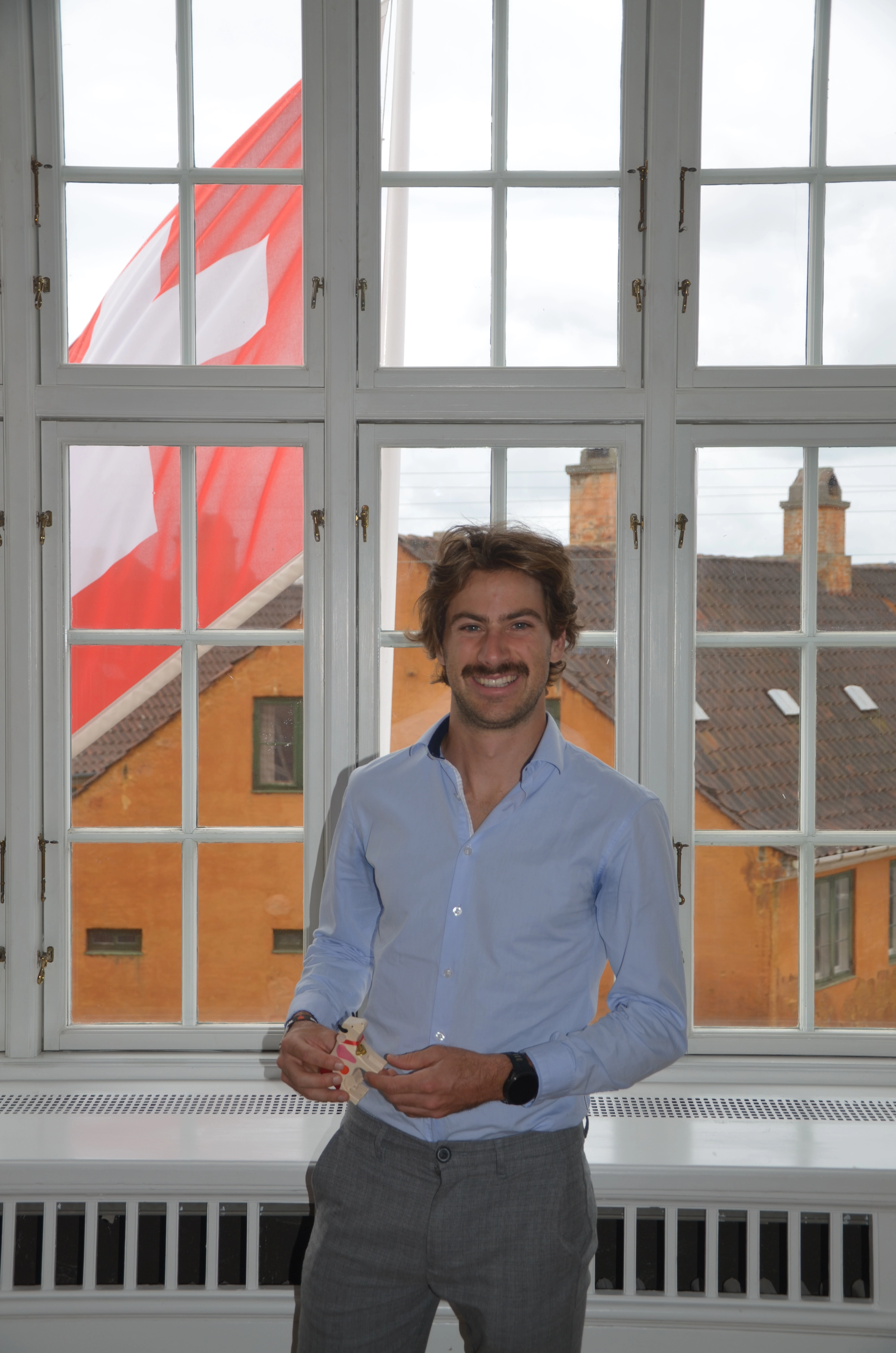
Today, Randy works as an academic intern at the Swiss Embassy in Denmark, where his role is as varied as his background.
“My job here is extremely diverse. I have great bosses who take me with them everywhere. We work on cultural events, quantum computing conferences, diplomatic démarches — it’s very broad.”
It is also in Copenhagen that Randy recently helped host a gathering of the CERN Alumni Network, bringing together former CERN members now based in Denmark.
Staying connected through the CERN Alumni Network
For Randy, the alumni network plays an important role — both socially and professionally.
“The CERN Alumni Network is really useful, and also really nice, for two reasons. First, the social aspect. We’re in a new city, and many people move around a lot, so it’s great to reconnect on common ground, with common interests, and to see where life has taken people.
And the second aspect is that everyone I’ve met through the alumni network has really interesting jobs and careers. It’s inspiring. People also have different perspectives on life in Denmark, which is really interesting.”
Endurance as a way of life
Parallel to his academic and professional path runs another demanding commitment: sport. Randy is a world-level triathlete, with a particular focus on Ironman competitions.
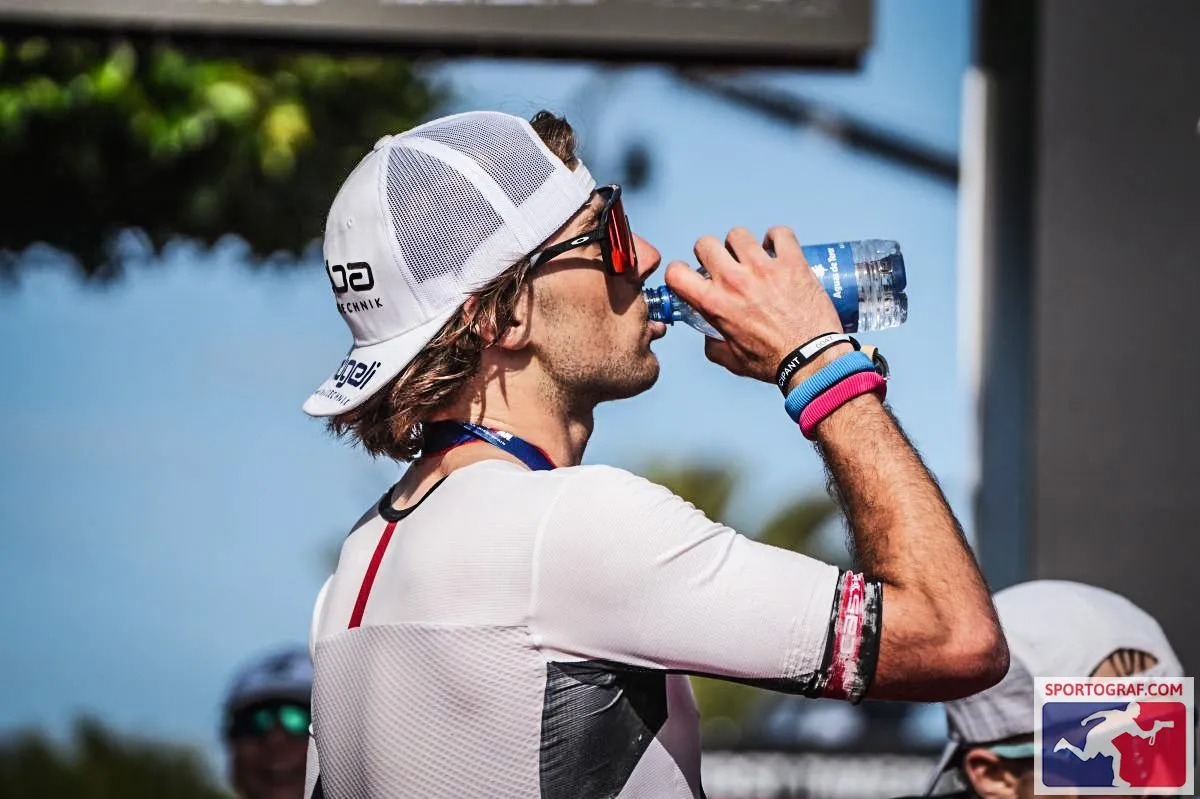
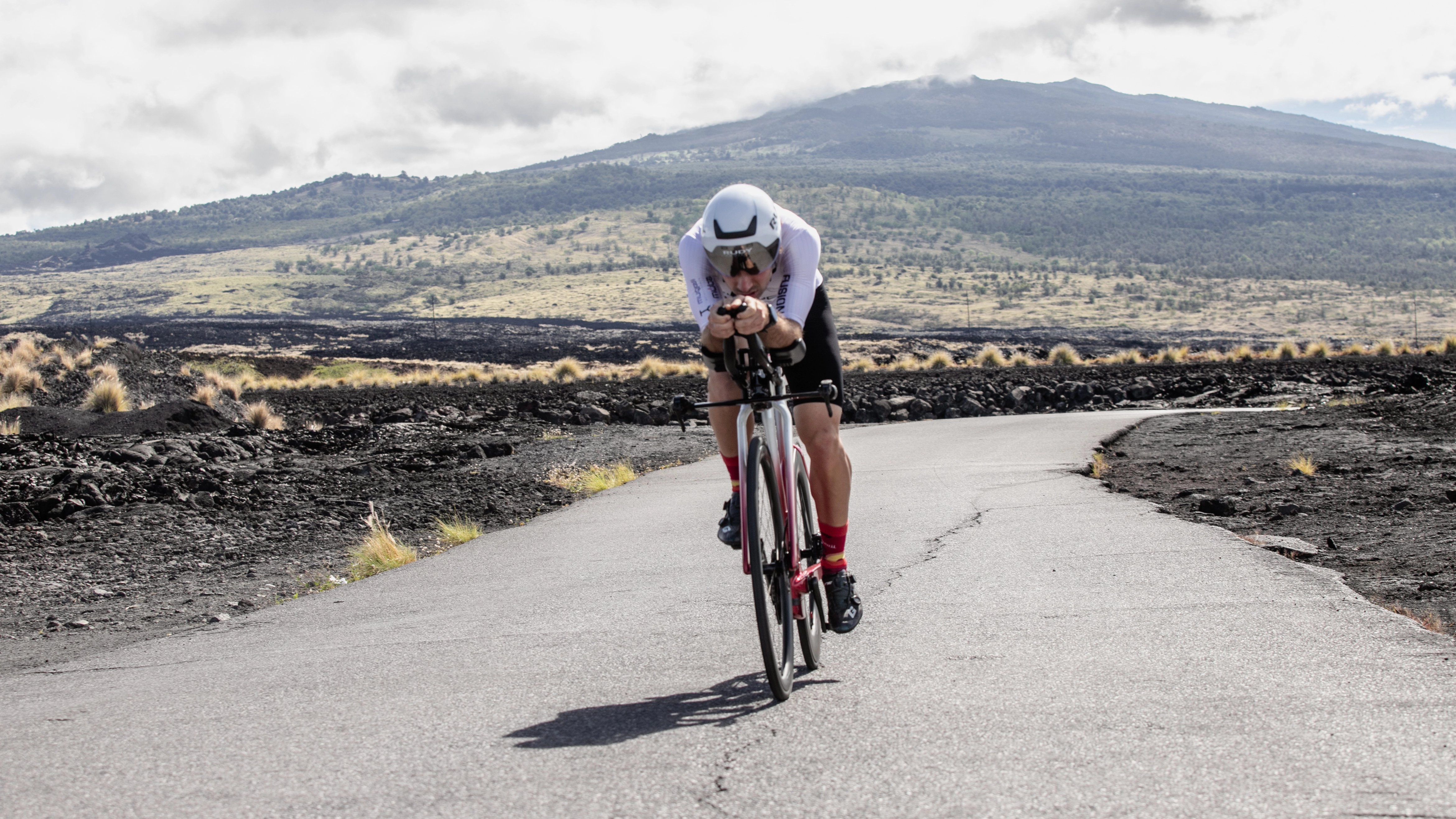
“I have always been sporty. I did alpine ski racing when I was younger. Then, around 15 or 16, my career stalled, and I needed a new sport. I started with shorter running races, then moved on to longer distances, and I realised that, comparatively, I perform better the longer the race.
That’s how I started triathlons, then Ironman. I got really hooked on it, and I haven’t stopped since.”
Two years ago, he achieved a major milestone.
“At the Ironman World Championships, I was second in my age group. It was a crazy race — not a very good race, actually, but everyone else had an even worse one. A lot of things went wrong, but if you just keep going and deal with what goes wrong, something good can still come out of it.”
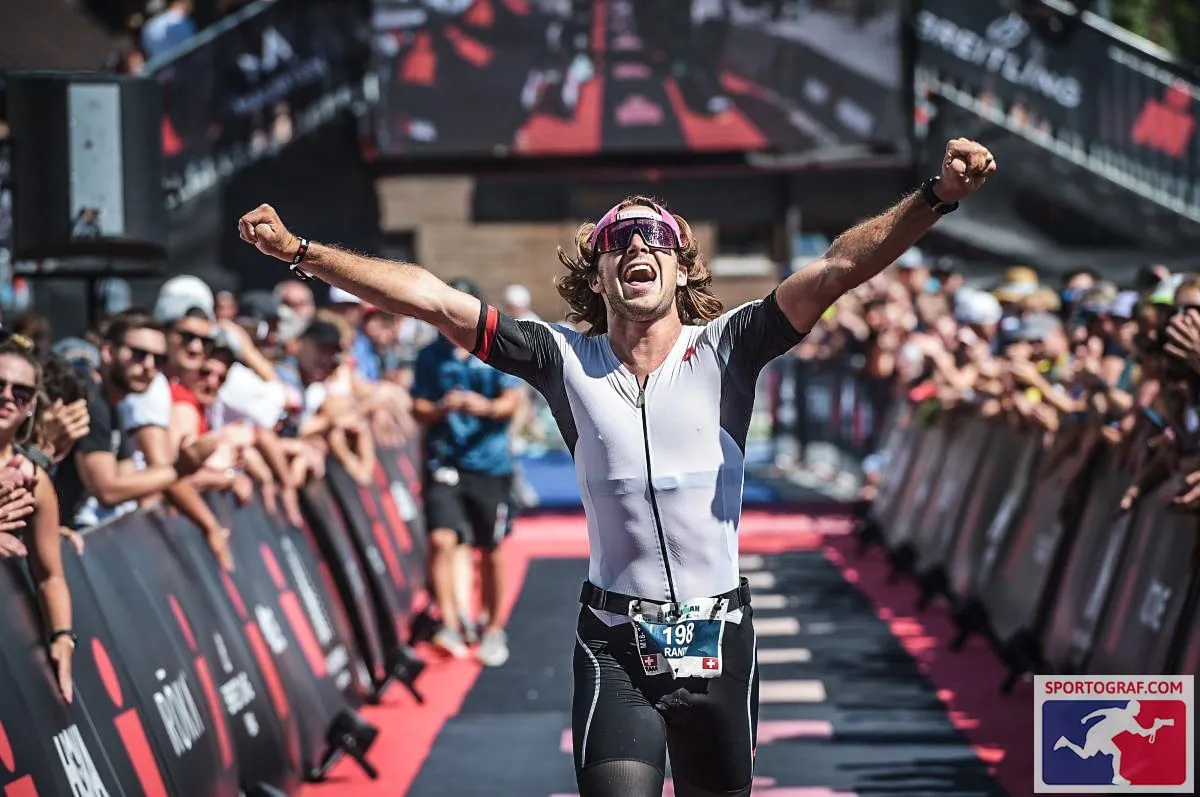
The lessons from endurance sport carry over into everyday life.
“During an Ironman, you can’t already think about the marathon while you’re swimming. If you do, you won’t finish. I really take that with me here as well — to keep the goal in mind, but focus on the small steps ahead, and not think too far ahead.”
Looking ahead
Looking to the future, Randy hopes to continue along a path that combines science and diplomacy.
“I hope it takes me further into diplomacy, with a science diplomacy aspect. There are so many job titles that I had no idea existed — and they are so interesting. I realised that these jobs actually exist.”