
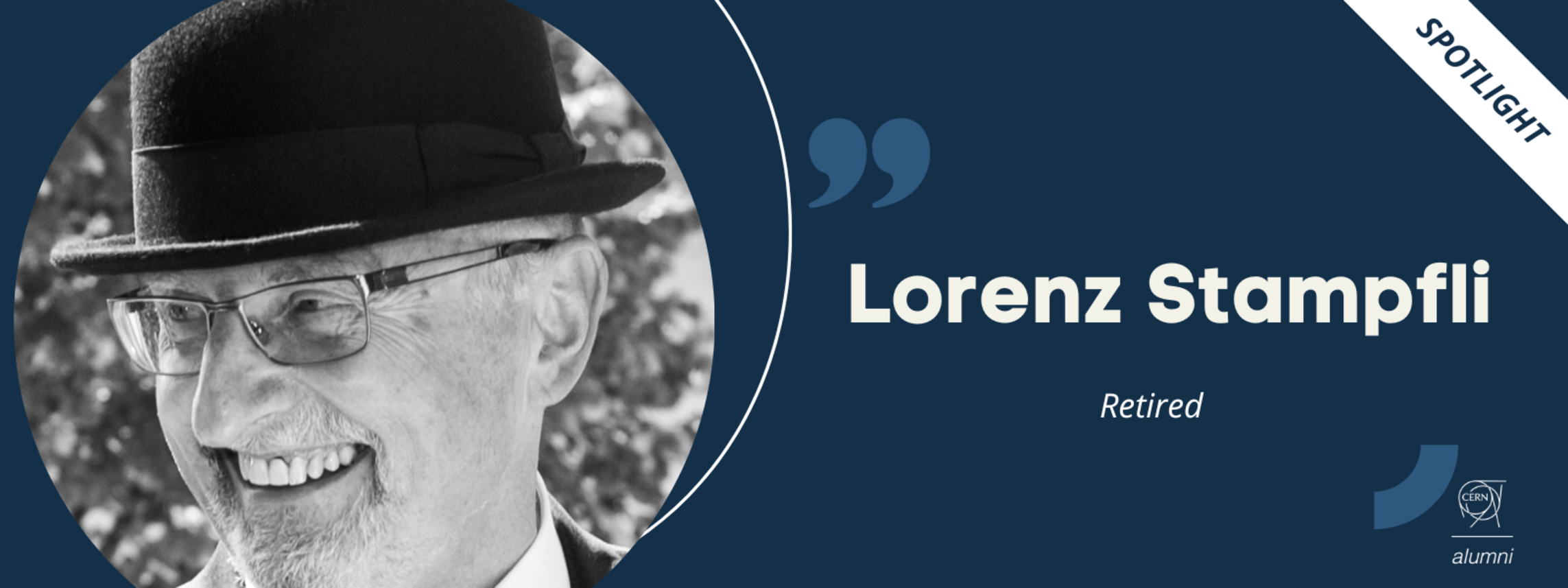
A Lawyer Amongst Physicists: How Lorenz’s Curiosity Shaped CERN (and Vice Versa).
At CERN: Staff 1982 - 2013
Now: Retired
When Lorenz Stampfli first arrived at CERN in 1982 as a young lawyer, surrounded by engineers and physicists, he found himself in a world far removed from the one he had imagined during his studies in law and international relations.
“Normally, when you speak about CERN, you don’t think about law,” he says with a smile. “You think about science.”
Born and raised in Bern, Lorenz studied law at the University of Bern, before continuing his education at Geneva’s Graduate Institute, where he developed a strong interest in international relations and emerging forms of international law. His academic work explored questions of technology, cooperation and what is often referred to as “soft law” — frameworks based not only on formal obligations, but also on trust, consensus and mutual understanding. This perspective would later prove highly relevant during his time at CERN.
A lawyer who only sits in his office is unhappy at CERN
Lorenz joined CERN in the 1980s, at a time when the Organization’s scientific collaborations were becoming increasingly international and complex. Although he initially arrived as a lawyer, he quickly discovered that working at CERN required far more than legal expertise: it demanded curiosity, adaptability and the ability to bridge very different worlds.
“One thing my first supervisor told me stayed with me throughout my career: a lawyer who only sits in his office is unhappy at CERN. You need to go out there, observe and understand where the real problems are.”
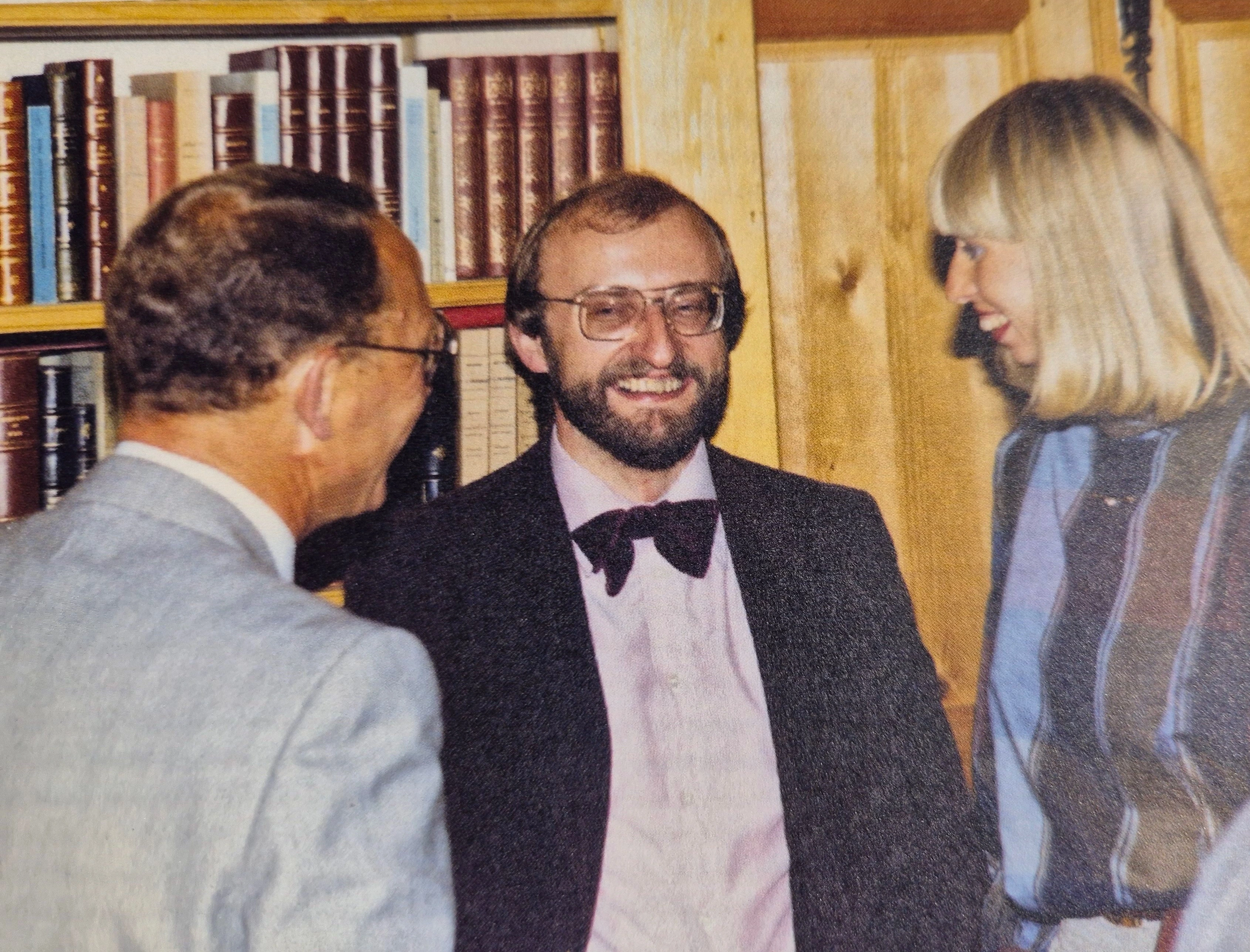
And that is exactly what he did. Lorenz learned to work closely with physicists, engineers, administrators and safety specialists from many different countries and disciplines. For him, this became an enduring lesson in openness, curiosity and interdisciplinary collaboration.
Over the years, he contributed to areas ranging from legal agreements and governance to safety policy and insurance matters. He served as secretary to several committees working on these topics and helped establish some of CERN’s first Memoranda of Understanding. At the time, these agreements were considered innovative because they relied on principles of soft law, the same concepts he had explored during his student years, and therefore more flexible and easier to implement. In many ways, they helped open new opportunities for the Laboratory and strengthen its relations with Member States.
Lorenz also helped oversee the development of several safety procedures, which were often both complex to draft and challenging to validate. His ability to engage with a wide range of stakeholders proved essential. By working closely with physicists, administrators, engineers and technicians, he and his team were able to implement new approaches, including fact-finding missions, which were themselves relatively innovative at the time. One example involved the development of rules related to alcohol consumption at CERN:
Instead of introducing a strict and arbitrary rule, extensive consultations were held with colleagues from the medical service, human resources and other departments. In the end, we developed a code of conduct that balanced safety considerations with social and recreational life after work, and it remains in place today.
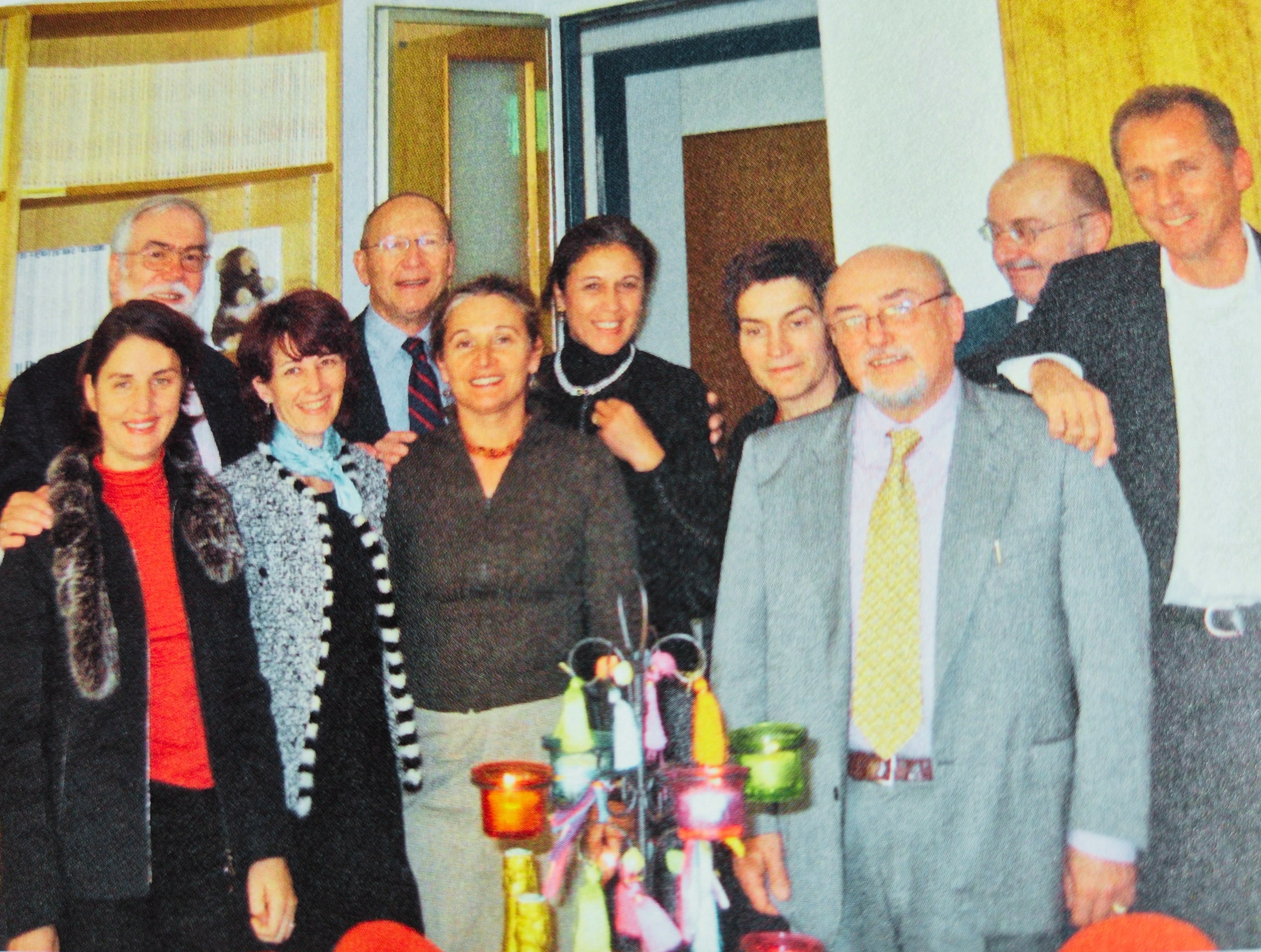
The power of international collaboration
One of Lorenz’s strongest memories of CERN is the way scientific teams collaborated across cultures and nationalities, not only when developing regulations, but throughout the Organization as a whole. In his view, CERN demonstrated that collaboration could transcend politics, cultures and borders.
For him, CERN’s success is rooted in its collaborative and democratic approach to scientific research. International teams are given significant autonomy and responsibility to organise their work from the ground up, rather than through rigid top-down management. In his view, this culture of shared decision-making helped the Organization maintain stability and continue progress even during periods of financial difficulty, budget cuts and staffing reductions, all without major social conflict.
That international and collaborative environment left a lasting impression on him and continued to shape the way he approached both his professional and personal life long after leaving CERN.
A lifelong curiosity
Reflecting on his career, he realised that decades spent in an international and multidisciplinary environment had strengthened both his curiosity and his openness to others:
“If you are interested in what is going on, you should make contact, observe, and see how, through your own ideas, you can contribute.”
After retiring from CERN in 2013, Lorenz remained deeply engaged with international affairs, law and culture, describing himself as an “attentive observer”. He continues to follow developments in international politics and scientific cooperation closely, occasionally contributing to discussions and newspaper publications, while remaining active in several associations.
On a more personal level, retirement also became an opportunity to embrace new challenges. One of these was learning Russian. He is also the proud grandfather of three children, with whom he greatly enjoys spending time.
Advice to younger generations
Asked what advice he would give to young professionals and students today, Lorenz does not focus on career strategy or competition. Instead, he speaks about openness, curiosity and human connection:
“Go outside, travel widely and don’t be afraid to learn languages.”
He encourages young people to remain curious, open-minded and attentive to new developments in science and technology. Rather than fearing advances such as artificial intelligence, he believes people should approach innovation with optimism and see it as an opportunity for learning and growth.
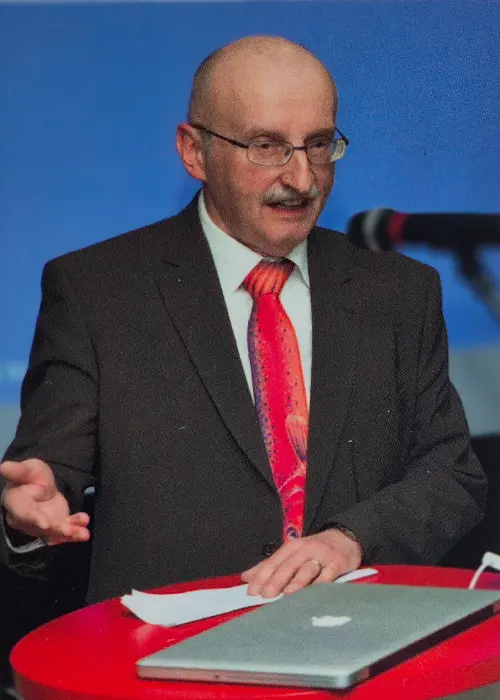
Lorenz skills he is proud to share
Staying connected through the CERN Alumni Network: CERN ambassadors into the future
Today, Lorenz remains connected to CERN through the CERN Alumni Network, which he sees as an important way of preserving the spirit of dialogue and collaboration cultivated within the Laboratory, across generations, disciplines and cultures. In his view, every member has a role to play in strengthening and sustaining that community.
He also believes the network plays an important role in helping the wider public understand CERN’s mission and values better, while building support for the Organization’s next generation of research projects, including the Future Circular Collider.
“It is a pity that CERN is sometimes not well known among the general public, including within the local region. CERN Alumni have a key role to play in promoting our work and our international approach, embracing differences as a strength”.
Even after retirement, the CERN spirit continues to guide him, including his active involvement in the Network. Openness to others, curiosity about the world and the belief that collaboration across borders remains both possible and necessary continue to shape his outlook. In Lorenz’s case, these values helped sharpen his curiosity and encouraged innovation, thereby contributing to the development of important legal, safety and governance mechanisms for the Laboratory. He hopes that these same values will continue to inspire younger generations for many years to come.
If you would also like to share how working at CERN shaped your career, we invite you to share your story on the platform. This is one of many ways you can become a CAN-doer (CERN Alumni Network-doer).
Each contribution, big or small, is recognised through digital badges displayed on alumni profiles. There are up to 16 badges to collect, and each one celebrates your unique contribution to our global community.
One of the easiest ways to start is by updating your profile—make sure your location, professional experience, skills, industries and education are current.