

CERN Alumni Spotlight: Sonia Fernández-Vidal - Inspiring Generations Through Science and Storytelling
At CERN: Technical Student
Today: Science writer and communicator
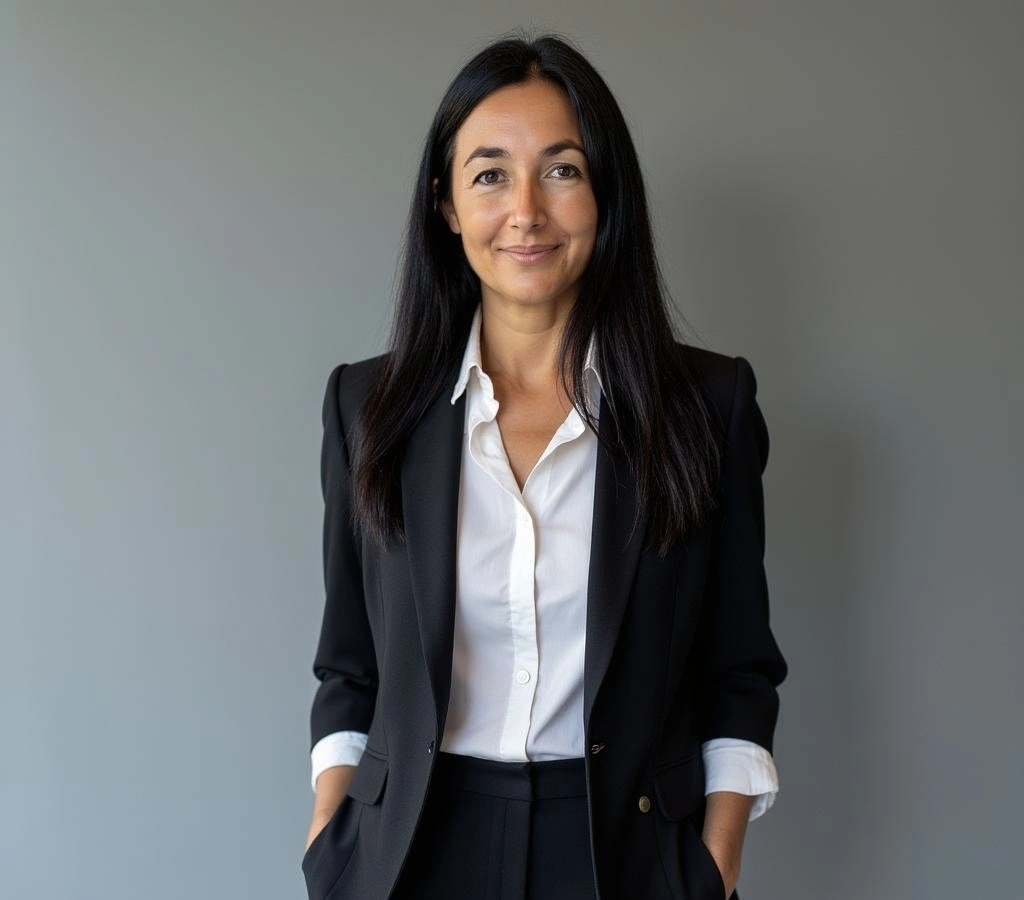
Sonia's journey from a curious child inspired by a book featuring groundbreaking scientists to becoming a renowned physicist, science communicator, and one of Forbes’ "100 Most Creative People," is nothing short of extraordinary. Sonia’s path reveals the multifaceted impact of a CERN experience.
A Passion for Science Founded in Curiosity
Growing up in Catalonia, Spain, Sonia was captivated by the wonders of science at an early age. Her defining moment came during her primary school years, reading a book about legendary scientists. She recalled: "I thought, I want to be like these people who’ve given such amazing gifts to society." A particularly serendipitous connection later in life brought Sonia full circle when she collaborated with the very illustrator of the book that ignited her love for science.
"It’s not a circle," the illustrator once said to her. "It’s a spiral, inspiring another child who might pick up your book."
This early spark led Sonia to pursue physics at university—a passion that eventually brought her to CERN.
CERN: A Transformative Chapter
Sonia's first encounter with CERN, in 2003, was as a technical student in the Accelerator Technology sector. At the time, it was uncommon for physics students from her university to apply for student programmes, as, unlike engineering degrees, their curriculum did not require gaining work experience in a research environment. Nevertheless, Sonia realised she qualified for the programme and full of determination, applied.
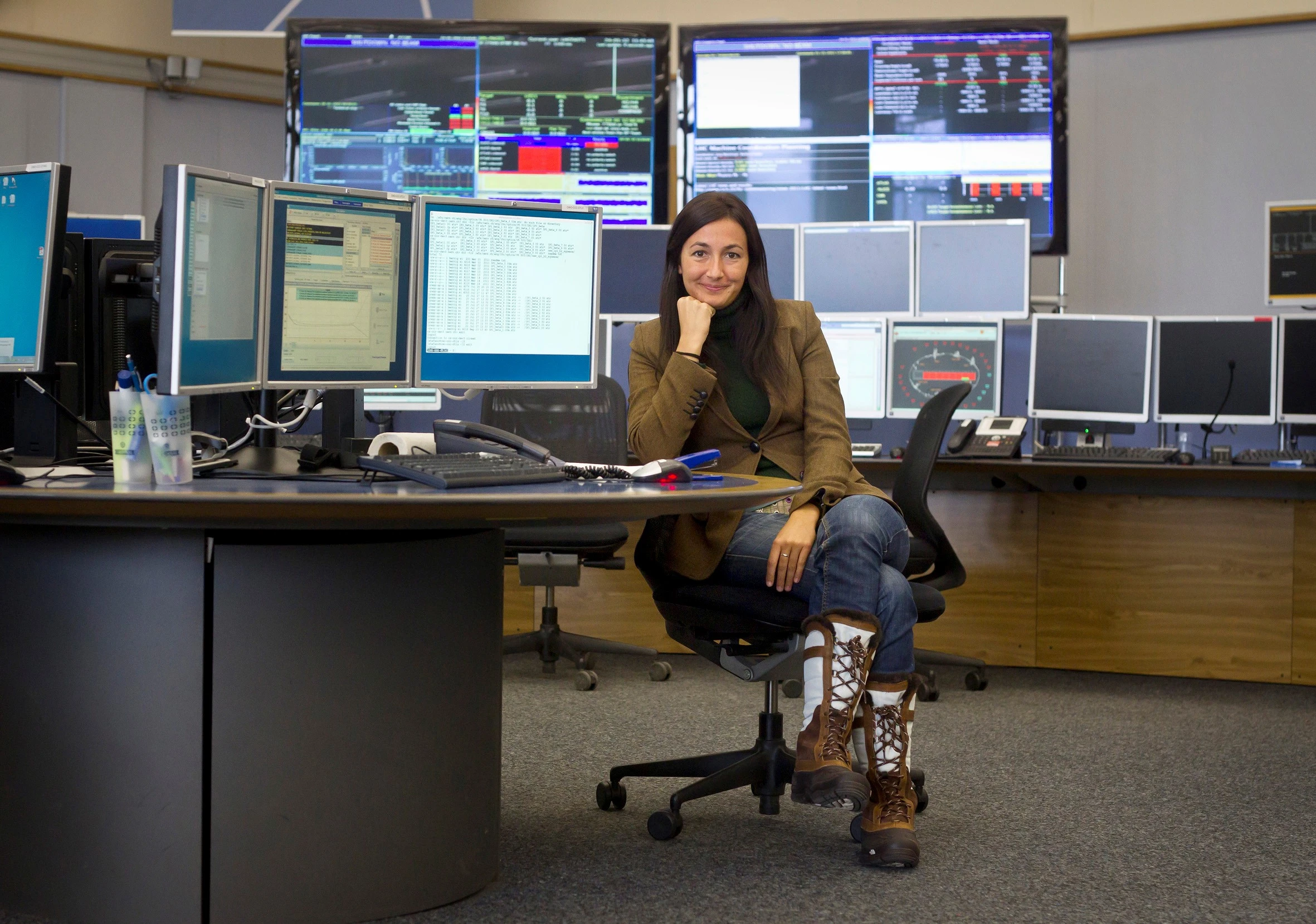
Working on LHC magnet resistances in collaboration with the Vacuum group, she described her time at CERN as life changing. “I woke up every morning knowing I was part of one of the most remarkable scientific projects in the world,” she enthused.
It wasn’t just the science that left an indelible impression on Sonia—it was the spirit of collaboration. “I remember visiting the United Nations cafeteria, where everyone seemed to cluster with people from their own countries. At CERN, it was completely different,” she said. “We were a diverse group, united by our shared passion for discovery. It felt like being part of something truly universal.”
Furthermore, being a CERN guide opened her eyes to the broader impact of CERN’s mission. "As a guide, I saw the big picture of CERN’s work,” Sonia explained. “It made me realise how vital it is to communicate science and its significance to the world.” This perspective set the stage for her later work in science communication.
From Research to Storytelling
After leaving CERN, Sonia’s academic journey continued at Los Alamos National Laboratory, where she worked in quantum theory. While the experience was intellectually enriching, the stark contrast between CERN’s open science philosophy and Los Alamos’ classified environment deepened her appreciation for CERN’s commitment to collaboration and knowledge-sharing.
"CERN’s openness is a model for how humanity can work together for a higher purpose,” she reflected. At Los Alamos, Sonia also gained insights into the ethical dimensions of scientific research, realising the profound impact of choosing projects aligned with personal and societal values.
This belief in collaboration and sharing knowledge drove Sonia to become a science communicator. Her first book, La Puerta de los Tres Cerrojos, is a novel that introduces readers to quantum physics through a fantastical adventure.
"I wanted to take the abstract and make it tangible, even for a nine-year-old,” she explained. The book uses allegories to explain principles like superposition, entanglement, and quantum tunnelling. It became an instant success, earning critical acclaim and being translated into 12 languages.
Her work didn’t stop there. Sonia’s follow-up books expanded the series, turning quantum physics into a world of wonder for young readers. In 2017, she was recognised by Forbes as one of the 100 Most Creative People for her groundbreaking approach to science communication.
In addition to her books, Sonia’s voice resonates at CERN’s Science Gateway, where she narrates the Spanish version of an interactive quantum physics exhibit.
The Future: Science as a Unifying Force
Looking ahead, Sonia hopes to continue bridging the gap between science and society. She’s passionate about encouraging younger generations to pursue STEM fields and reminding the world of the importance of critical thinking in an era of misinformation.
"Science is not just a body of knowledge; it’s a way of thinking. We need that now more than ever,” she emphasised.
For Sonia, the essence of her work—whether at CERN, in her books, or in public outreach—remains rooted in her belief that science is a unifying force.
"CERN taught me that when humanity focuses on a shared purpose, barriers disappear, and incredible things happen. That’s a lesson I hope to share with as many people as I can.”