
Raising Awareness on World Cancer Day with CERN Alumni
World Cancer Day held every 4 February is the global uniting initiative led by the Union for International Cancer Control that aims to raise worldwide awareness, improve education and catalyse action to face one of our greatest challenges.
This year, we bring you the stories of four CERN alumni whose work is contributing to awe-inspiring advancements in cancer prevention, diagnosis and treatment.
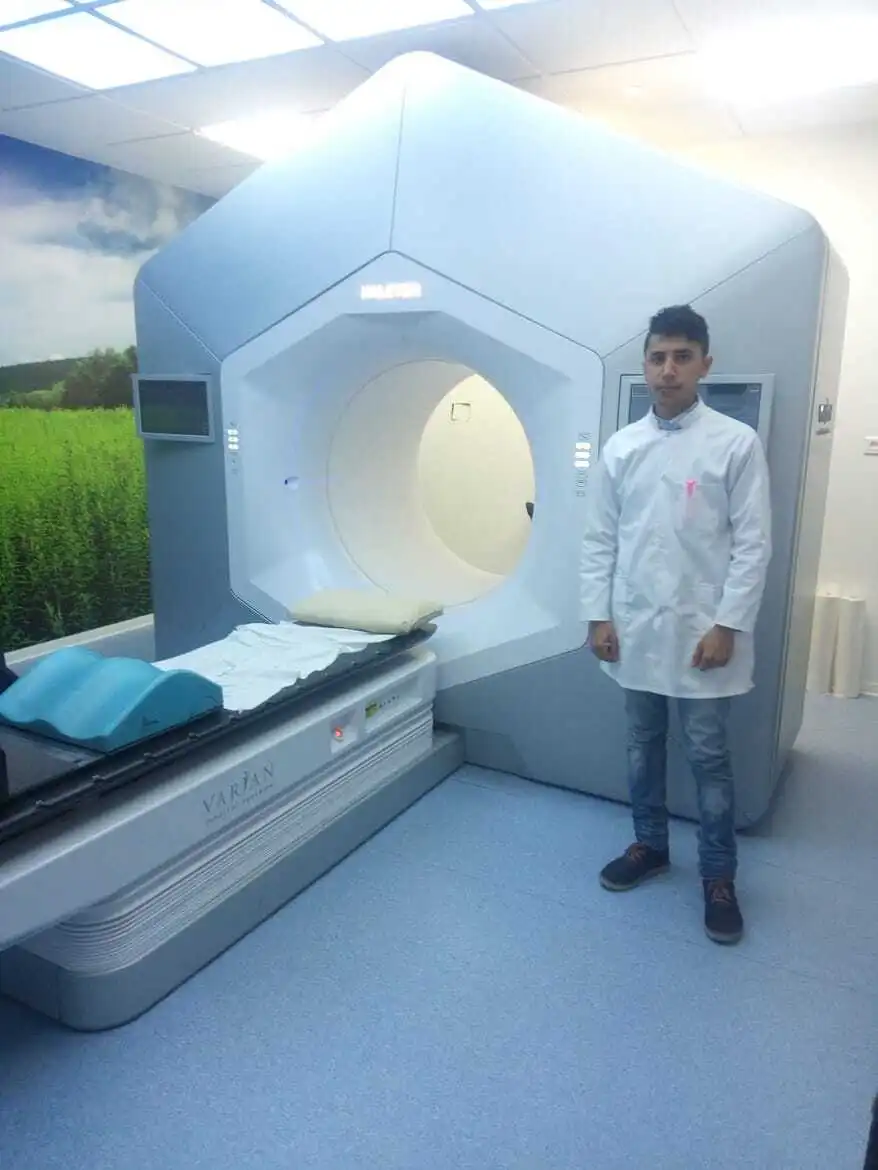
El Mehdi Essaidi was a summer student with the CLIC experiment and after obtaining his Master’s degree in medical physics, he chose to complete his PhD to develop his knowledge further in the field of medical physics and radiotherapy. He is currently working as Medical Physicist / PhD Student at Hassan 1st University in Morocco.
"Most medical physicists work in the physics of radiation oncology making sure that the desired dose is given to cancer tissues and the dose to normal tissues is minimised. World Cancer Day is to inform people about its prevention, early detection, and treatment.
As medical physicists, the safe and successful treatment of cancer patients is close to our hearts. This World Cancer Day, we honour the medical physicists, oncologists, radiologists, and nuclear medicine professionals working tirelessly (and in a pandemic no less!) to treat and eradicate cancer across the globe.”
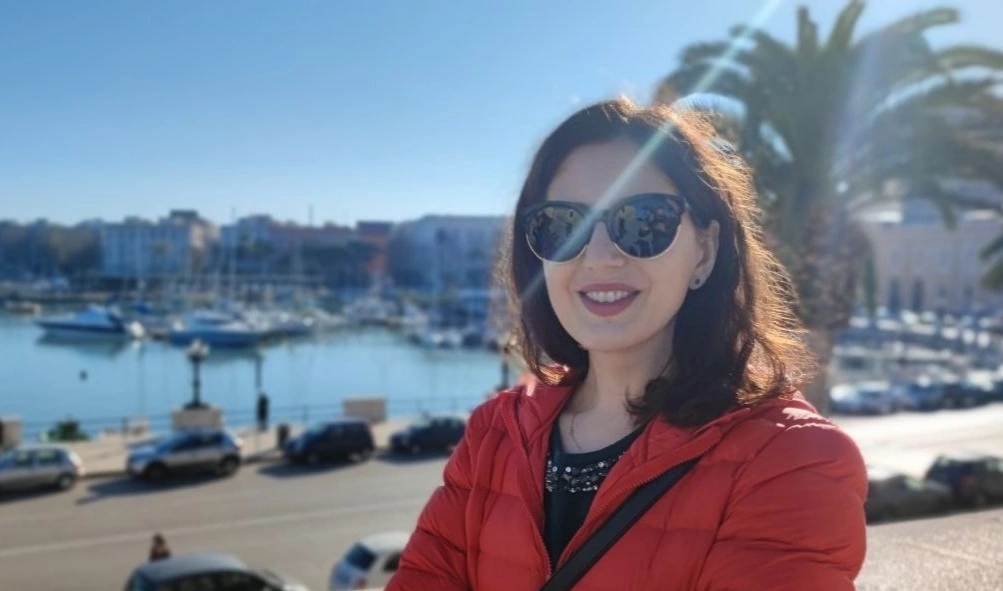
After finishing her fellowship with the Radiation and Protection Unit at CERN, Roxana Rata continued her career in medical physics and currently works as Beam Physics Engineer at Varian Medical Systems.
“Since college, I knew that I wanted to become a researcher and make a difference in our society. When I lost someone dear to me due to cancer, I focused my career on the field of medical physics and decided to help cancer patients through my work.
My particular role is to develop medical accelerators used in proton therapy, to reduce the size and the weight of the device, the costs, but more importantly, the time spent by the patient in the treatment room. This will make the proton accelerators less costly and more accessible as many cancer patients have no access to this kind of treatment yet.
This work is important for me as I know that my research brings hope to patients with cancer, and where there is hope, pain ends!”
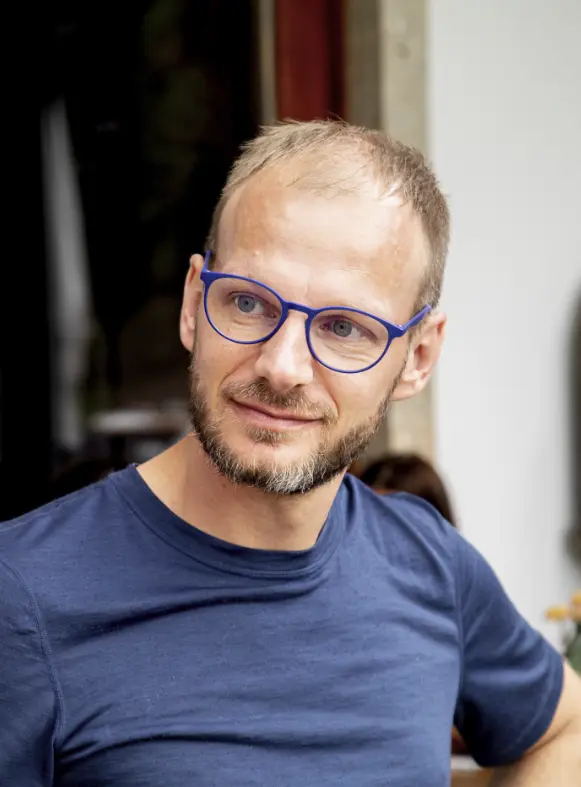
Lukas Jägerhofer received his PhD for his work on the radiation protection concept of the MedAustron facility using MonteCarlo simulation techniques. After working at CERN from 2009 onwards, he moved back to Austria and currently holds the position of the Head of Radiation Protection Services at EBG MedAustron GmbH.
“We were recently able to obtain an operating permit by the Austrian authorities for commissioning "exotic" ions for therapy like helium, oxygen or neon in the MedAustron facility. This is a big step in the course of advancing treatment methods in ion therapy and opens up new avenues for research."
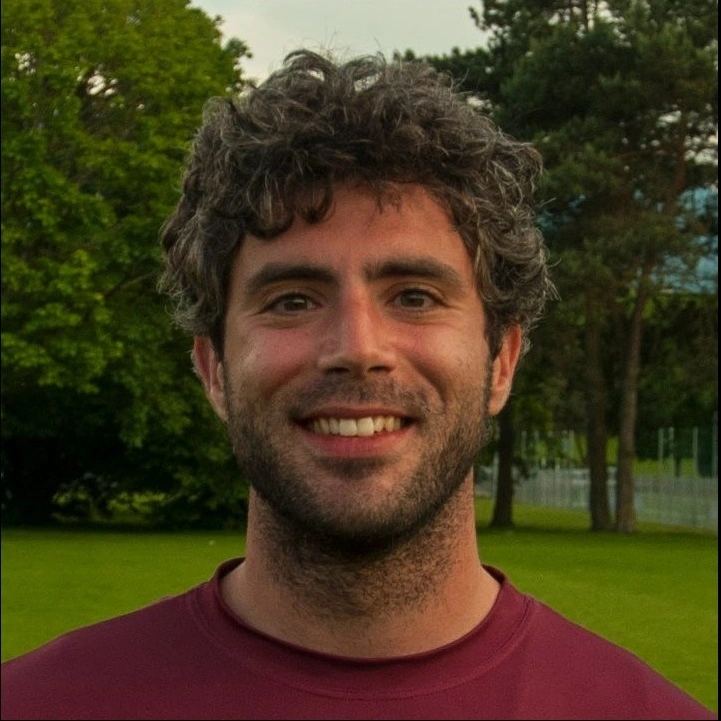
After several years spent at CERN, Benjamin Tannenwald focused his career on cancer research and is currently working for AstraZeneca as a Senior Data Scientist. (You can learn more about his professional journey during the next Moving Out of Academia event on 11 March.)
"My current work involves developing models to understand and predict problems that can arise during cancer treatment, helping people with breast and lung cancer live longer and better lives. Seeing my work implemented in ongoing and future clinical trials is an incredible feeling, knowing that there's a concrete impact for real people on the other side of my work."