
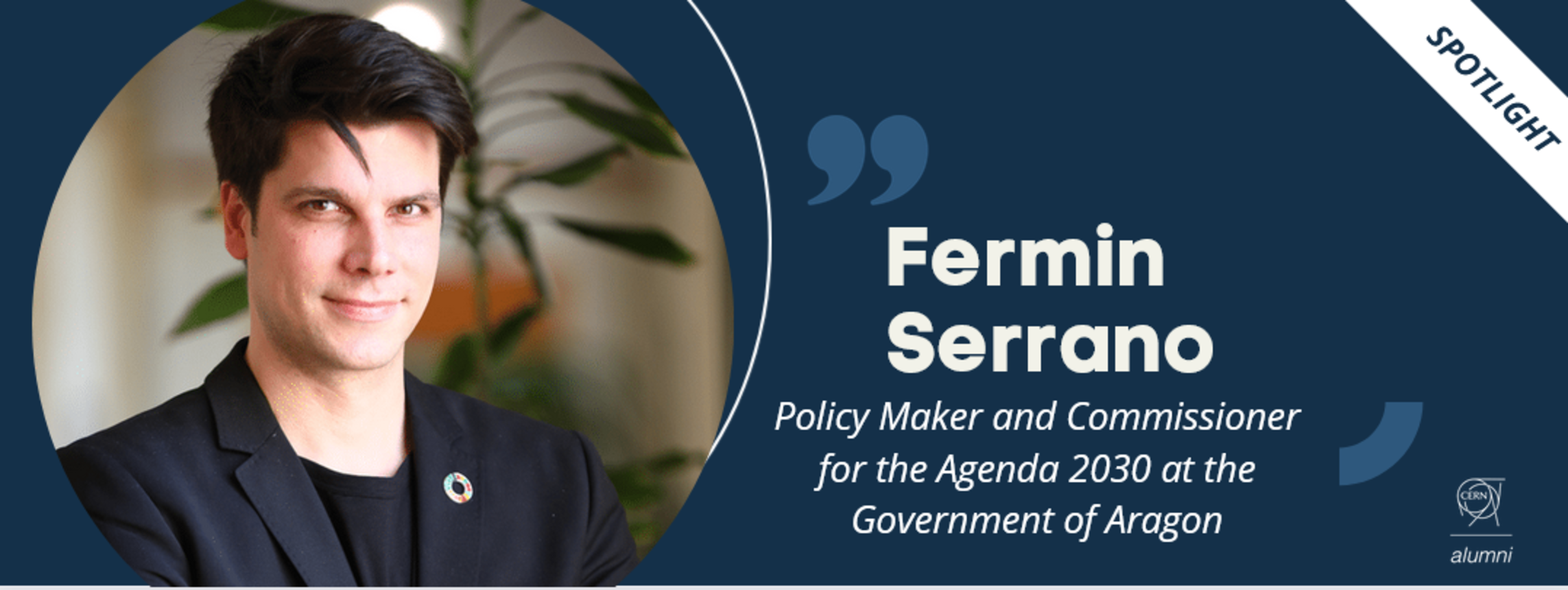
From CERN to Policy Maker: The Journey of Fermin Serrano
At CERN: 2006 - CERN Openlab
Today: Policy Maker and Commissioner for the Agenda 2030 at the Government of Aragon
At CERN
Originally from Zaragoza, Spain, Fermin first came to CERN, back in 2006 for an experience working in CERN Openlab. During his time at CERN, Fermin worked on the LHC computing grid, which included aspect-oriented programming. Prior to CERN, Fermin was working at the University of Zaragoza. He explained that his work was “in a High Performance Computing center focused around the areas of software development and grid computing.”
Research in Citizen Science
When his contract at CERN came to an end, Fermin returned to the University of Zaragoza from 2006 -2014 where he was working on research projects that were focused on citizen science.
In 2014, Fermin helped to create a research foundation, where he was invited to be the executive director. “The foundation was focused mainly on citizen science, working alongside major research institutions in Spain. These institutions included both private and public ranging from research institutes, such as the Spanish National Research Council (CSIC), CIEMAT and the City Council of Zaragoza.”
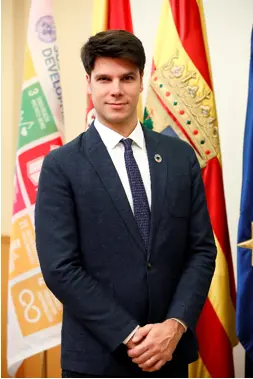 It was during this experience between 2014 and 2018, that Fermin saw his career take a different trajectory; “In running the foundation, I saw my work shift towards taking a strong focus on citizen science, alongside research processes and promoting experiments.” Fermin also began working with the European Commission at a policy level, where he utilised his expertise in research to aid them in creating programs, projects and proposals.
Fermin emphasises the importance of being agile and open in one’s role, “It’s important to be ready to work with people from all different backgrounds as well as working outside of your comfort zone so that you can connect and work with anyone.” Fermin explains that the latter is of great importance when networking with others, seeking funding mechanisms for any project.
Life is never plain sailing, and one can expect to encounter obstacles along the way of one’s professional life. Fermin explains that one of the greatest challenges he had to overcome during his time in his role at the foundation was linked to the Great Recession, around 2008, “the financial crisis was a tough time to source funding. Research was at a critical level, and we overcame this obstacle when we went to Brussels to the European Commission funding programs. This turned out quite well. We started working with all the different Citizen Science platforms and projects.”
Work as a Policy Maker
During his new role working for the Government in 2018, Fermin’s career would take on a stronger focus on policy making as opposed to political work. In addition, Fermin took care of “coordinating the logistics side of the work between all of the ministers.” 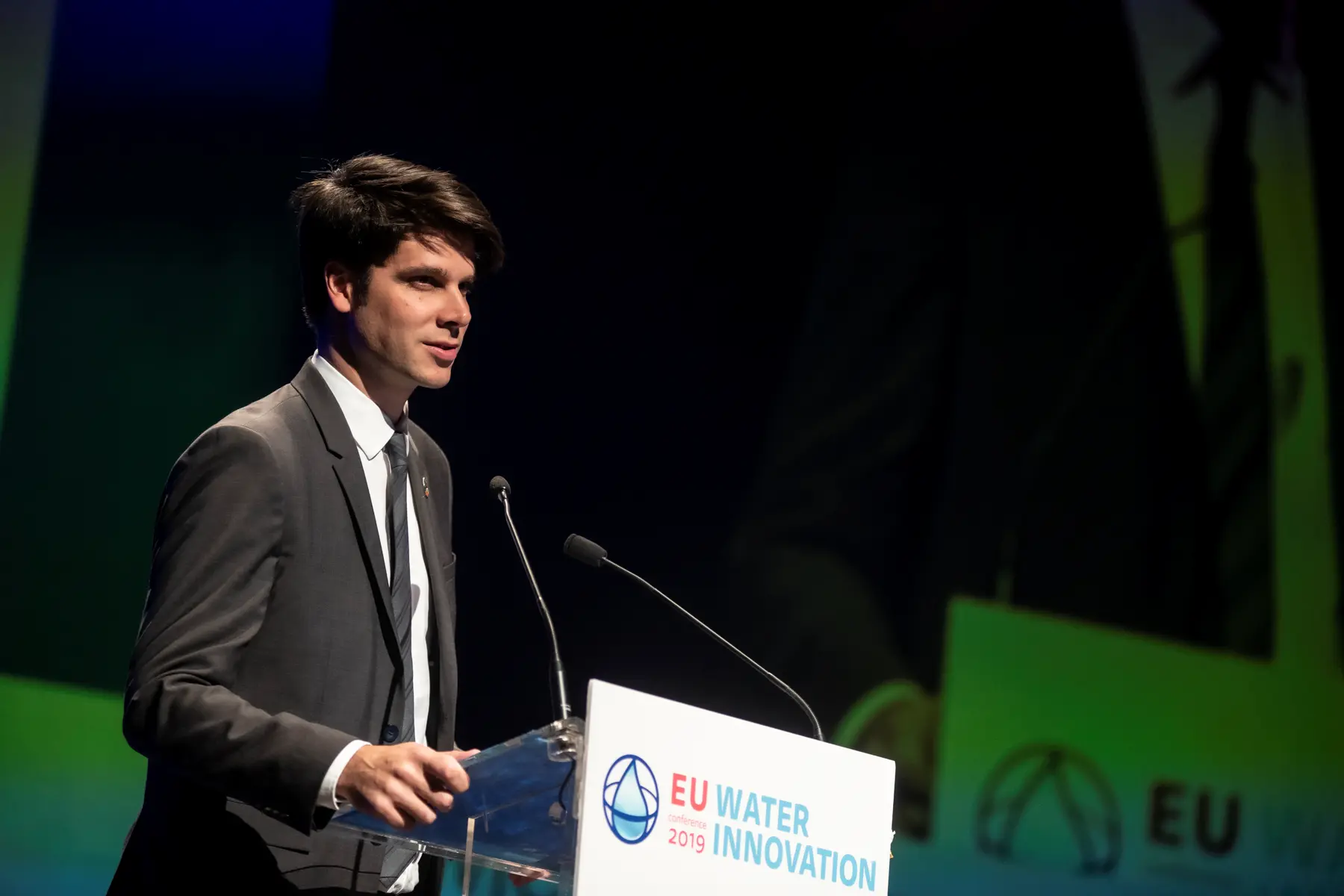
As the Commissioner for the Agenda 2030 —an agenda that was created by the United Nations in 2015 to help combat key issues such as extreme poverty and reducing inequality— Fermin’s focus turned towards innovation and sustainability. Fermin strongly believes that “innovation and science are key and the main way to transform society and the economy. Using science and evidence-based data to prove this, requires more support, resources and funding. It will help transform the economy, which is needed now more than ever.”
Fermin shared the challenges he encountered transitioning from his career at the foundation, to the government and what he did to make the transition smoother. “Part of my background and job is to make various working situations work well, to connect and network with a host of different people. I learnt how to adapt my existing skillset, used for working on a large global scale, to one which is on a smaller scale. This required more precision in recognising and selecting the skills that I would need to use from my current skillset.”
Advice to others
Reflecting upon his time at CERN, Fermin highlights the importance of open science for all. “To achieve open science successfully, there needs to be open communication between all parties. By doing so, one can find out areas of concern and which issues need to be addressed. By understanding the objectives, involving multiple stakeholders, working efficiently together, we can be more successful. CERN is achieving this well, despite the complexity of the Organization. A high level of trust has been built between CERN and the public I think this is down to the way CERN implicates many different stakeholders, for example, through citizen science, as well as art and science. CERN is a great example not only thanks to its research, but because it is open and transparent about the work it does."
When discussing the similarities in working structures, between his previous role at CERN and his current role at the Government of Aragon he emphasises the importance of evidence-based research, “as with science, policy-making requires research, hypothesis and solid evidence to back up what you are trying to prove.”
Coming back to his time at CERN, Fermin recollects one of his fondest memories, when he would have interesting discussions with his colleagues including Francois Grey “He was a big inspiration for me and affected the way that I perceived science and technology. Even today, I still follow his work.”
Finally, Fermin shares his ambitions for the future; "I am planning on returning to the world of science so that I can continue my work and research in Citizen Science. It feels good knowing that the work you do is helping the public and I want to ensure that there is increased funding and resources for Citizen Science."
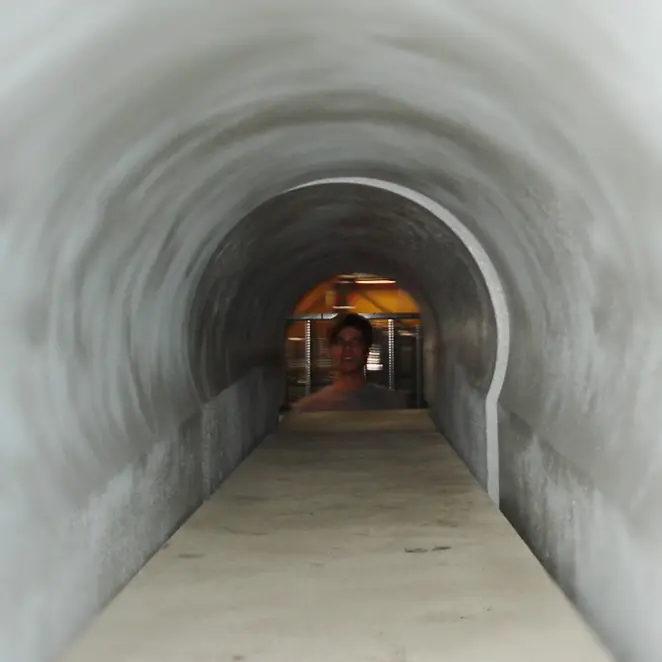
I remember screaming to check its echo and imaging all the collisions in my brain."
Thanks to the CERN Alumni Network and https://alumni.cern , like Fermin, you can share how your career has flourished and your valuable experience with other members. Make sure you keep your profile up to date, this will also help the Office for Alumni Relations source, speakers, panellists, mentors and interviewees!