
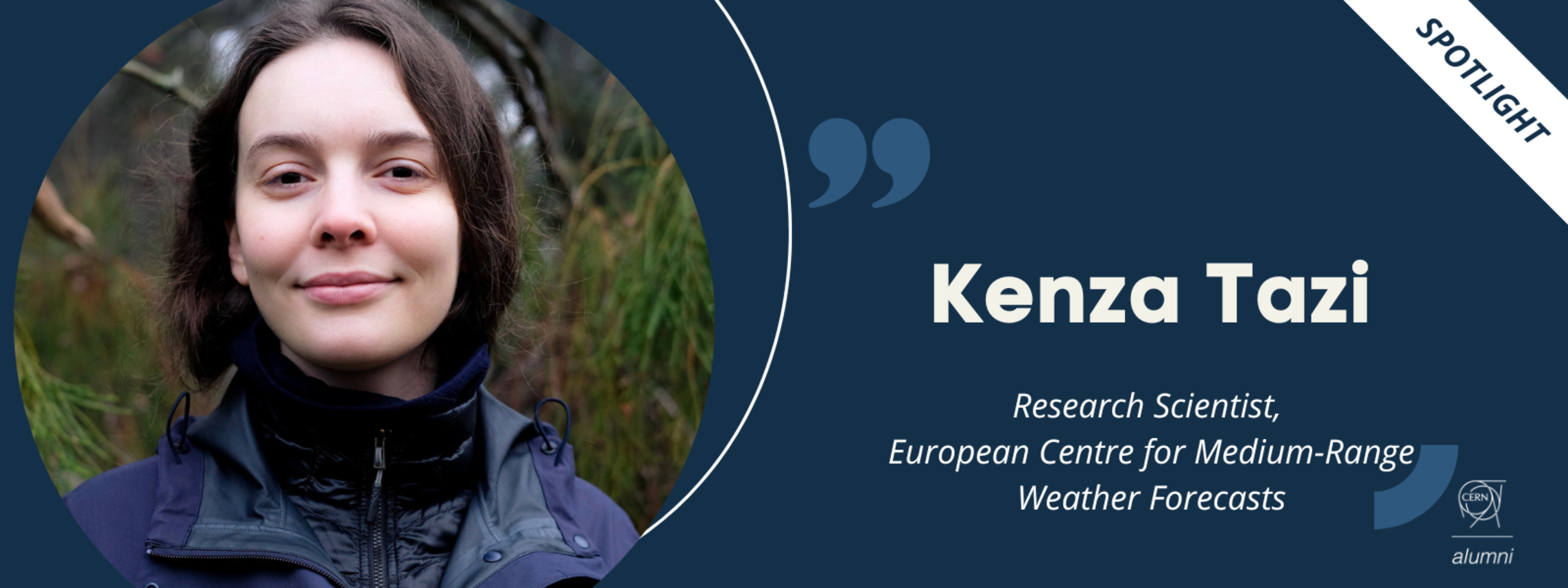
What Olympic competition and climate science have in common: The story of Kenza Tazi
At CERN: Trainee, CMS experiment, 2014
Now: Research Scientist, European Centre for Medium-Range Weather Forecasts
As the Olympic Winter Games TM take place in February 2026, attention naturally turns to the long, often uneven paths that lead athletes to the highest level of competition. Stories of dedication, discipline and teamwork take centre stage –these same qualities are deeply familiar at CERN, and for Kenza, they form a natural bridge between elite sport and fundamental science.
Her journey to CERN, as for many shaped by curiosity rather than certainty, unfolded through coincidence, generosity and a willingness to take opportunities as they arose.
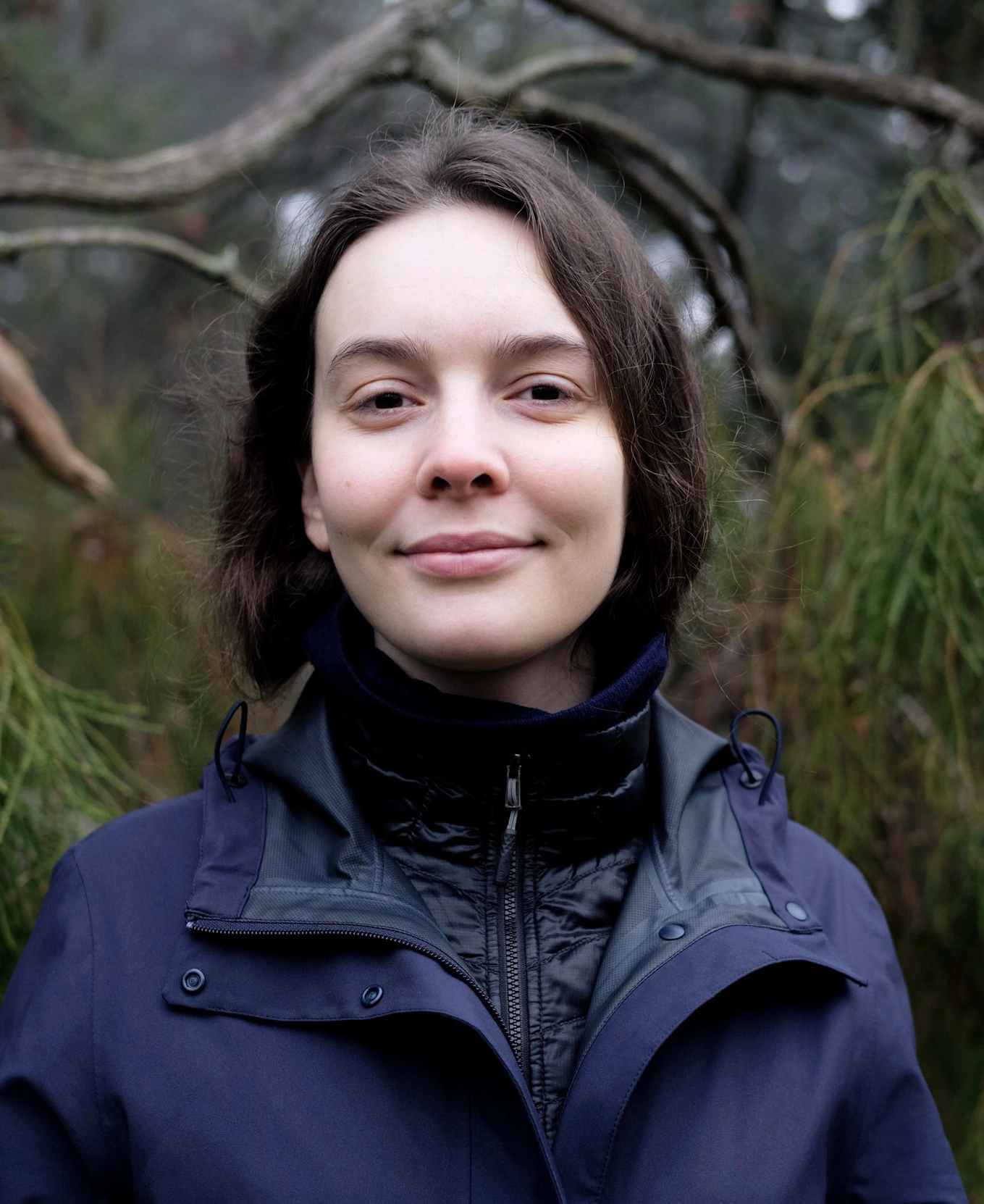
First exposure to research at scale
Kenza came to CERN at a time when she was still forming her understanding of what physics research looks like in practice: “I was very lucky to be put in touch with Dr Sharma. She was extremely generous and offered me the opportunity to come and spend some time in the lab over the summer.”
At CERN, Kenza worked within the CMS experiment, contributing to detector-related studies during a period of ongoing development: “There were still some new detectors that were going to be installed and I was asked to test how sensitive they were.” she explains.
The technical details were challenging, but what surprised her most was the sense of responsibility she was given: “To be honest, I was surprised that I was given so much responsibility and that I could be useful to other scientists in the Organization.”
One of the clearest lessons Kenza took away from CERN concerns how science is actually done: “One of the things that I learned is that science is about working together as a team,” she says.
This was visible not only in formal meetings or collaborations, but in everyday interactions: asking questions, sharing ideas, and learning from people with different levels of experience and different backgrounds: “Seeing that passion every day, and sharing it with other people,” she explains, “made me so excited to learn more about physics and to start my university degree.”
High-level sport and Olympic preparation
Alongside this growing interest in science, sport had already been a central part of her life for many years. “My parents moved to the French Alps for my younger sibling’s health,” she explains. “I started skiing more regularly, joined a club, and started competing.”
She began racing locally at the age of 12 and, as she grew older, opportunities expanded: “At a certain point, when you get old enough, you can start competing at an international level.”
Four years before the Olympic Winter Games TM, the Moroccan Olympic Committee identified several athletes with Moroccan nationality who were competing internationally in skiing.
“They were looking to put together a team for the 2014 Olympic Winter Games TM,” she explains. “And they asked if I would be interested in taking part. Would you want to train for four years in the lead-up to this, and try to participate?” Her answer was immediate. “Of course!”
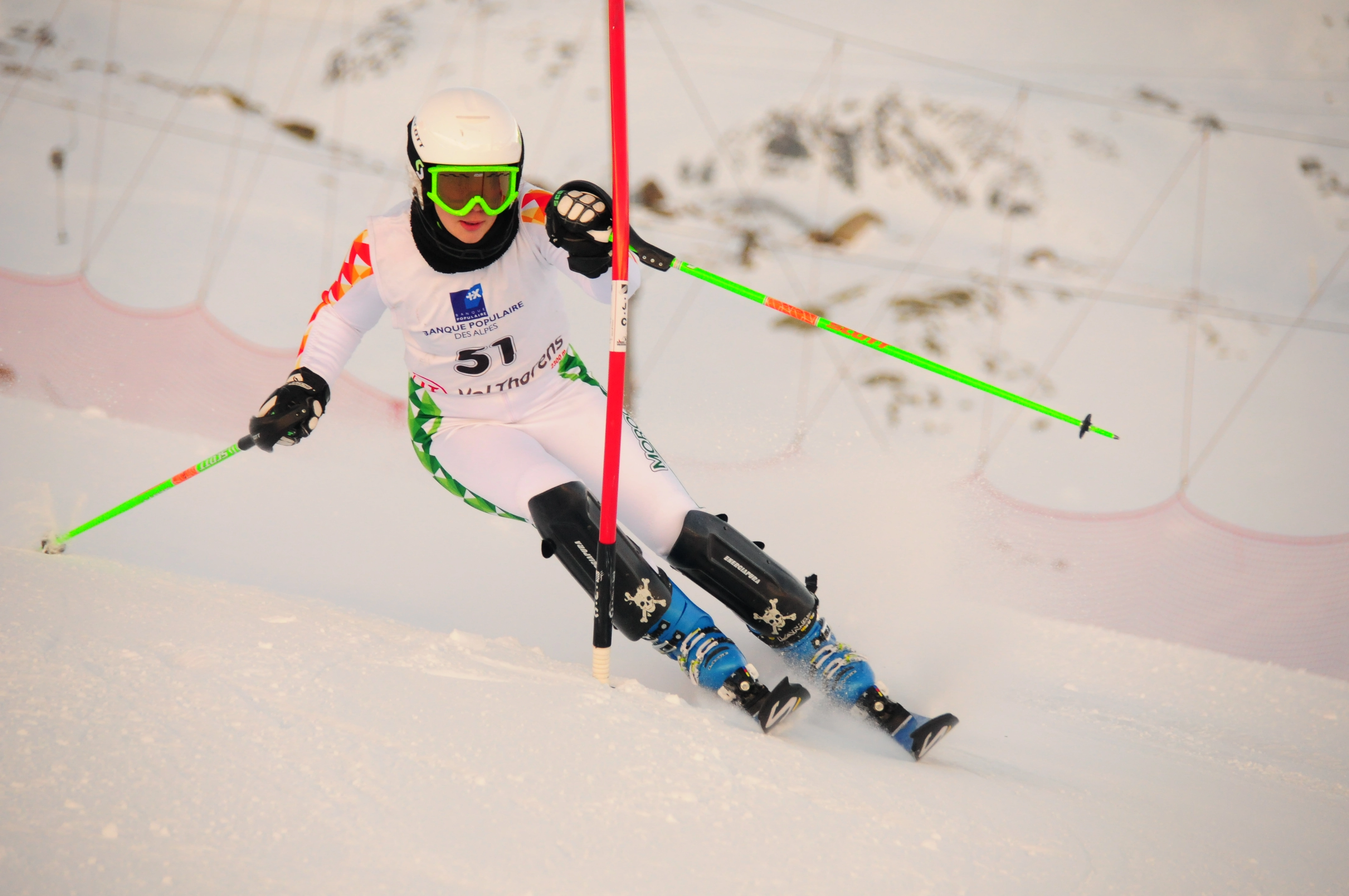
The Olympic qualification process was demanding and structured: “The year before the Olympics, you have a qualification period when you have to do well at a certain number of international races to get your points,” she explains. “You have to get it below a certain level to compete in the disciplines.”
Kenza qualified in giant slalom and slalom. At the time, she had just turned 18 and was still completing her secondary education. “I was in high school at the same time,” she says. “But I was very lucky in the sense that the French government has a lot of schools set up for people to pursue their athletic careers at the same time as their schooling.”
This structure allowed her to train and compete as an athlete while continuing her education.
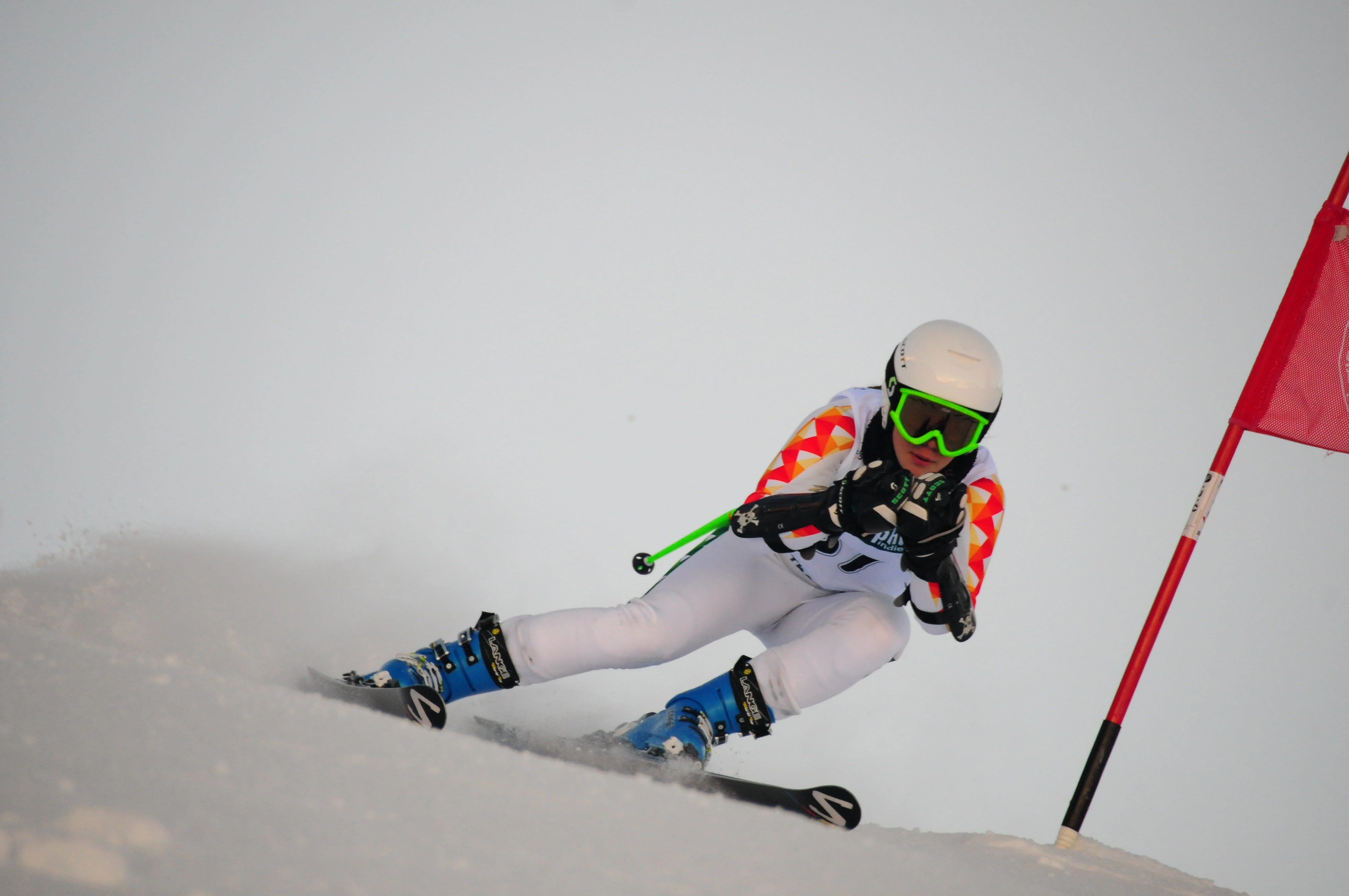
Inside the Olympic Village
For Kenza, the Olympic Games were not limited to competition day itself. “You don’t necessarily arrive the day before your event,” she explains. “It’s encouraged that you arrive a few weeks before. You’re living in the Olympic Village with all these other athletes and you hear about their life stories, the highlights of their professional careers, but also everything they’ve had to sacrifice.”
What struck her most were the shared experiences across disciplines. “The injuries they’ve had to overcome, alongside the financial uncertainties,” she says. “It’s very inspiring.”
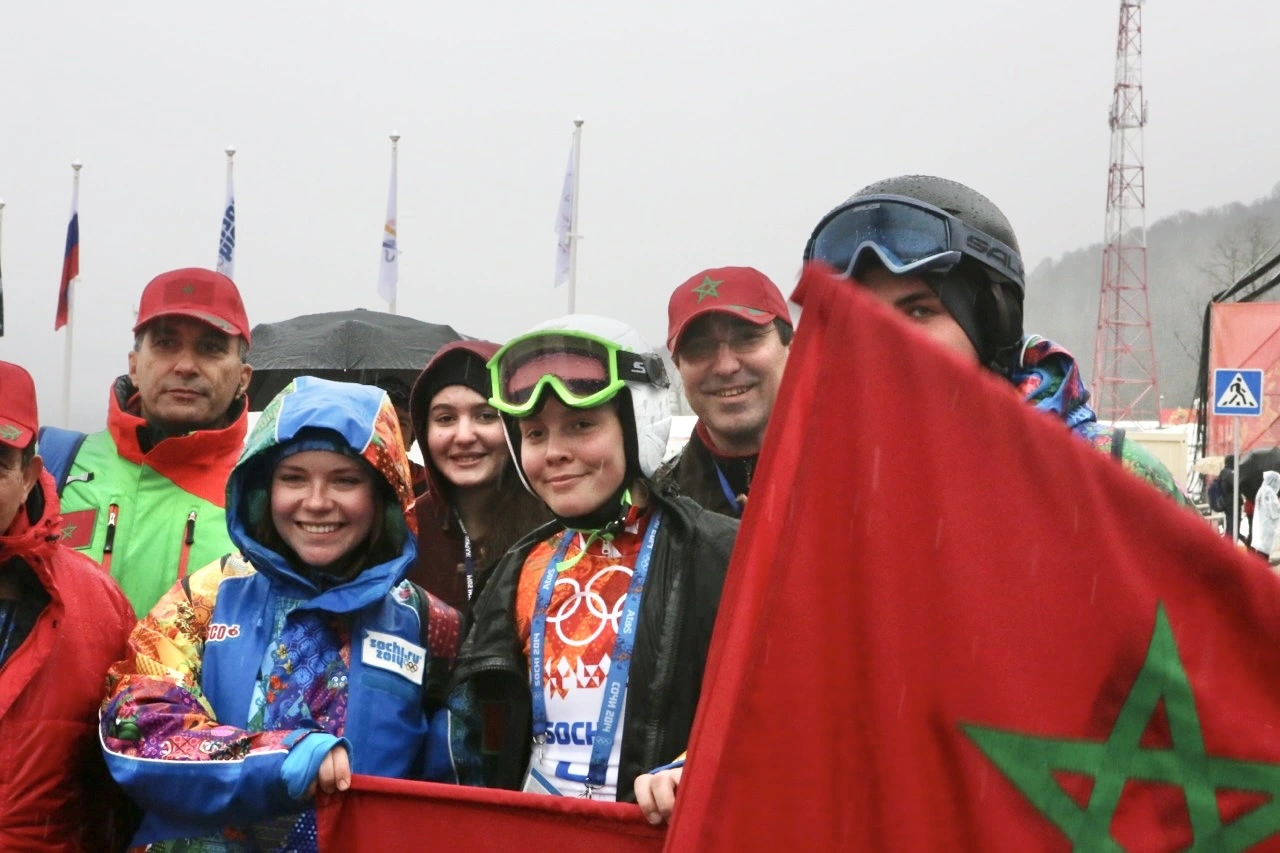
One memory stands out in particular: “My favourite moment was meeting the Jamaican bobsleigh team at dinner,” she recalls. “I expressed my awe for their courage in putting themselves into a small box and down an icy track at breakneck speeds.” Their response stayed with her. “At least they had the bobsleigh. I was going down in nothing but spandex.”
She also notes a sense of mutual understanding among athletes from smaller nations: “It’s quite special, especially for smaller nations participating in winter sports,” she says. “There is a sense of mutual understanding — people expect you to be a bit of a fish out of water, but you know they have also spent a lot of time and energy dedicating themselves to their sport.”
A career interrupted
During the Olympic Games, Kenza sustained a serious injury: “I injured myself quite badly. I fell on my leg and it developed into a fracture along my shin.”
The injury was initially misdiagnosed and ultimately brought her competitive skiing career to an end. “At the time, I was disappointed, obviously,” she says. “I still wanted to do another year of competing and go to the World Cup.”
At the same time, another path was already taking shape: “I was doing well academically, and I was interested in physics,” she explains. “So for me, this was a way of opening a new chapter in my life.”
Turning to climate science
Kenza was accepted to study physics at Imperial College London, where she completed an integrated master’s degree. “It was a really great time, and I learned a lot. At the same time, climate change and the urgency to understand, adapt and mitigate it became more and more important to me,” she explains.
This led her to apply for a PhD focusing on environmental risk. For her PhD, Kenza worked on applying probabilistic machine learning methods to climate and weather data, with a focus on precipitation in High Mountain Asia.
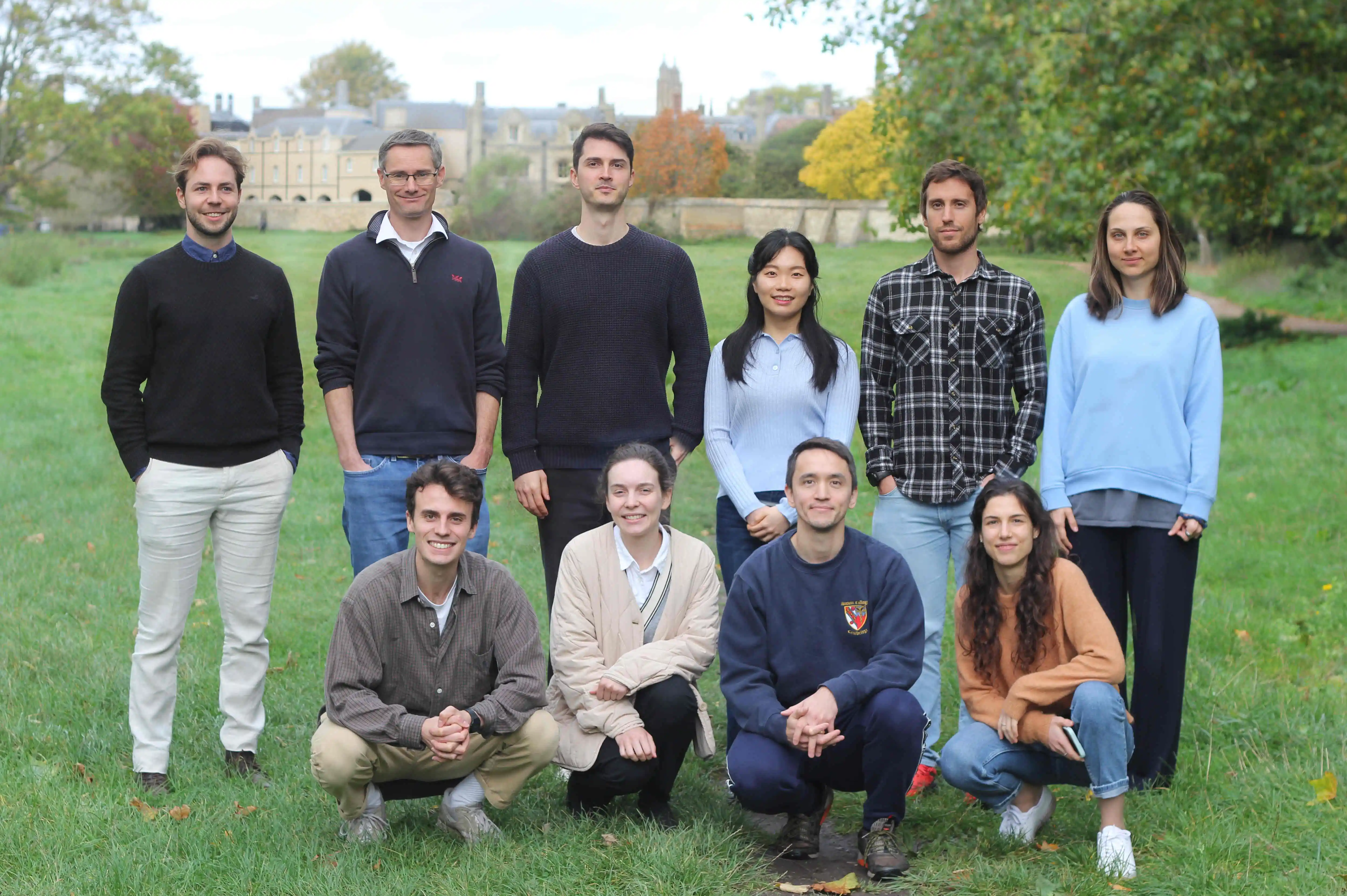
This region contains the largest freshwater reserves outside the polar regions and provides water, directly or indirectly, to nearly two billion people. “Our largest uncertainty, when it comes to water security, is precipitation,” she explains. Her work focused on combining sparse observations with simulations and climate models to understand both historical and future precipitation patterns better.
Rather than producing single-value predictions, her approach aimed to generate probability distributions. “That gives us a much more nuanced understanding of what can happen.”
Working at European Centre for Medium-Range Weather Forecasts
Toward the end of her PhD, Kenza applied for a position at the European Centre for Medium-Range Weather Forecasts (ECMWF), working on probabilistic, machine-learning-based flood forecasting.
She describes ECMWF as similar to CERN in structure and culture: “It’s an international organization where everyone around you is very passionate and focused on improving weather and environmental forecasts.”
Seeing operational forecasts run daily gives her a strong sense of purpose: “It feels like I’m doing something worthwhile.”
Research beyond her role
Alongside her professional work, Kenza is involved in environmental projects in her own time, including research on microplastic transport.
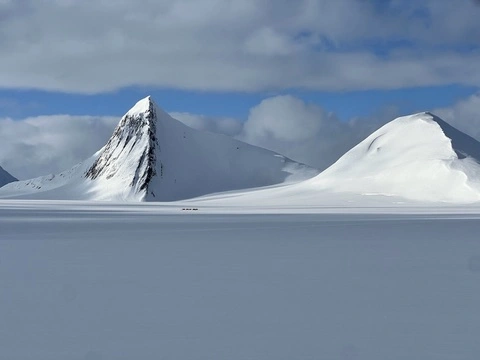
The project involves expeditions sampling mircoplastics in remote regions, including the Arctic and Antarctic, in order to understand better how they reach these areas and in what quantities.
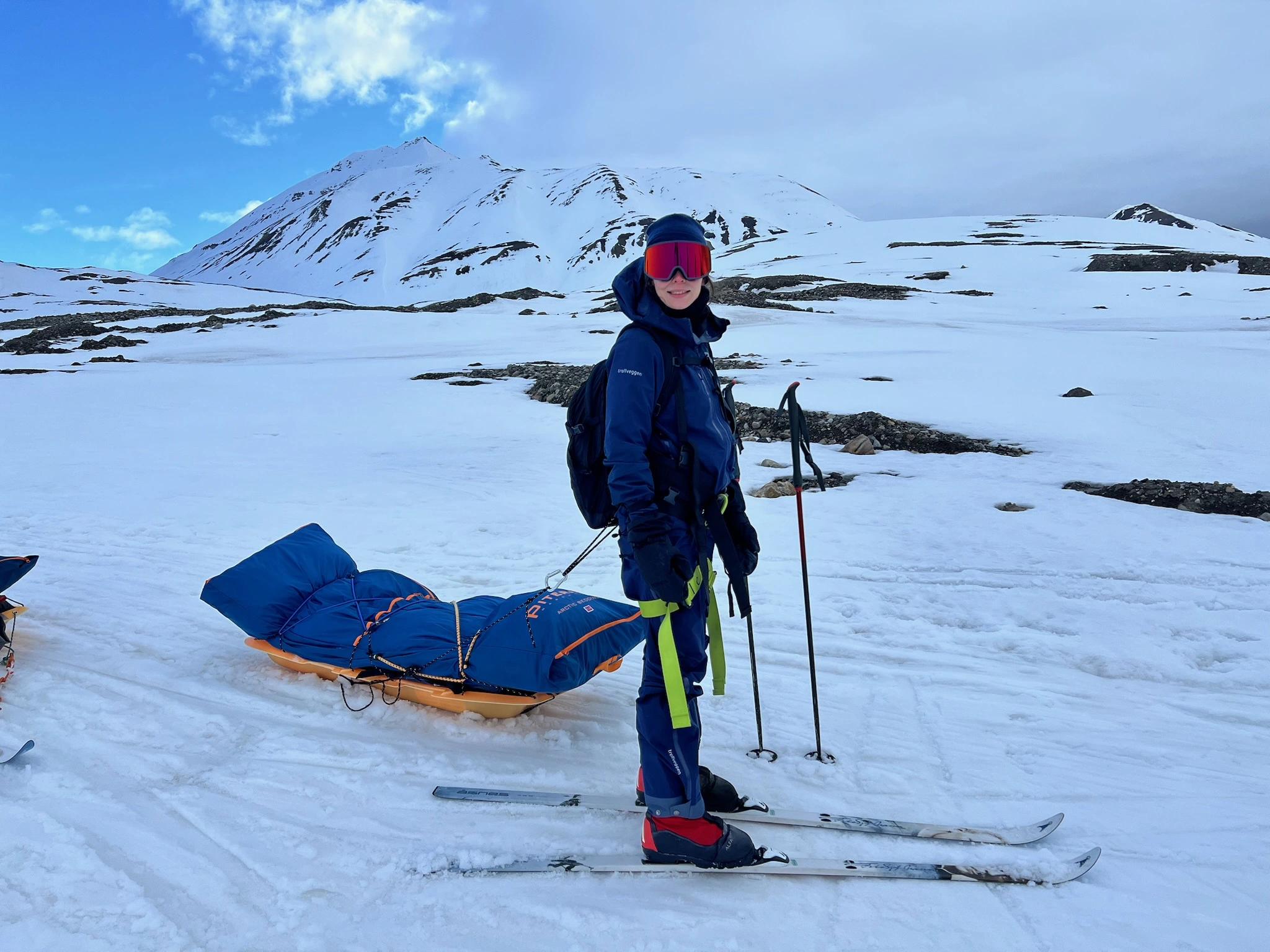
“It’s something that I’ve seen affecting our environment quite significantly,” she says, “and we still have a very limited understanding of the repercussions.”
Staying connected
Although Kenza’s career has since taken her into climate science and operational forecasting, her connection to CERN has remained present. Through the CERN Alumni Network, she remains connected to the Organization, an early environment that helped set the tone for what followed.